

Tasse Zero per Creator e Influencer: Residenza a Panama e LLC nel New Mexico
Un creator italiano che fattura 150.000 euro ne lascia quasi la metà tra IRPEF, addizionali e contributi, e chi è ancora nel regime forfettario vede il margine assottigliarsi a ogni soglia superata. Questa guida spiega, in modo concreto e senza promesse irrealistiche, come influencer, content creator, youtuber, videomaker, video editor, social media manager, fotografi, modelle e creator di piattaforme in abbonamento, agenzie SEO e di comunicazione possono portare a zero le imposte sul reddito personale e societario. La struttura è una sola: si sposta la residenza fiscale a Panama e si incassa il lavoro tramite una LLC registrata nel New Mexico. È lo schema che ha preso il posto del vecchio modello costruito su Dubai e sugli Emirati, oggi reso inservibile dalla licenza media obbligatoria per i creator, dalla sospensione del visto freelance, dalla Corporate Tax in vigore dal 2023 e dal rischio geopolitico del Golfo. Nelle righe che seguono trovi chi può usare questa struttura, come funziona davvero sul piano fiscale italiano e statunitense, quanto costa e quali errori la fanno crollare.
Un punto va fissato subito: tasse zero per creator e influencer non significa sparire né simulare un trasferimento, ma cambiare davvero Paese di residenza e organizzare l'attività digitale in modo che il reddito non sia tassabile né in Italia, né a Panama, né negli Stati Uniti. Quando ognuno di questi tre tasselli è al suo posto il risultato è lecito e difendibile in caso di controllo. Quando ne manca uno, il vantaggio sparisce e arriva l'accertamento. Per questo la pagina dedica agli obblighi lo stesso spazio che dedica ai benefici, e include una sezione su chi questo modello non deve usarlo.
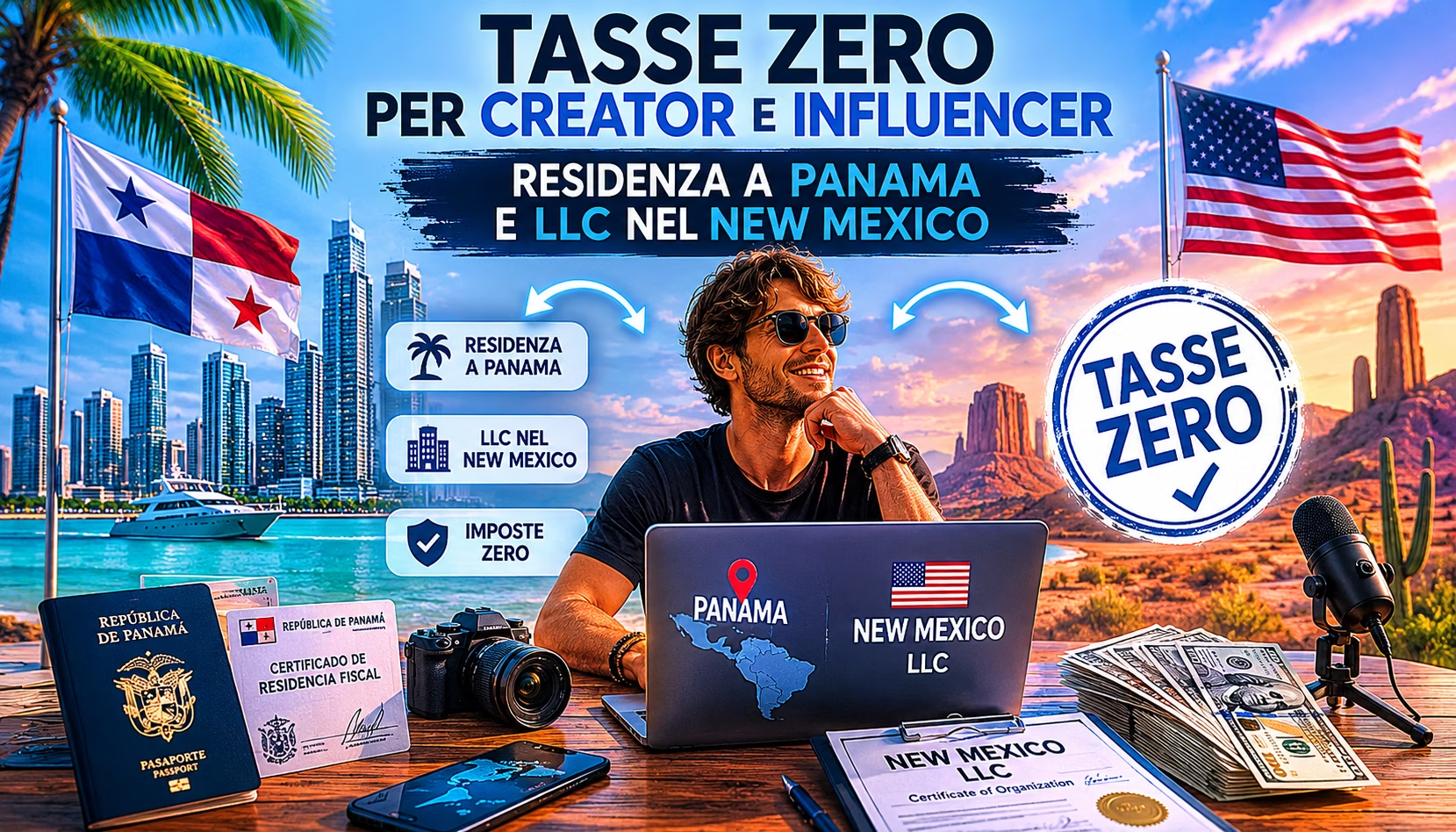
La struttura in sintesi
- Cos'è: residenza fiscale a Panama più una LLC nel New Mexico come veicolo di incasso; imposte sul reddito personale e societario pari a zero quando ogni tassello è in regola.
- Per chi: influencer, content creator, youtuber, video editor, social media manager, modelle e creator di piattaforme in abbonamento, fotografi, agenzie SEO e pubblicitari che lavorano in remoto e fatturano a clienti e piattaforme esteri.
- Quando funziona: se il trasferimento è reale, il creator vive e lavora fuori dall'Italia e dagli Stati Uniti, e gli adempimenti USA e italiani sono rispettati.
- Quando non funziona: se si resta a vivere in Italia, se la LLC è amministrata dall'Italia, o se il lavoro è svolto fisicamente dagli Stati Uniti.
- Rischio principale: esterovestizione della LLC e presunzione di residenza italiana, perché Panama è in Black List D.M. 4 maggio 1999.
- Prove richieste: iscrizione AIRE, certificato di residenza fiscale panamense, contratto e utenze locali, movimenti bancari, documentazione della LLC; in sintesi un fascicolo probatorio completo.
- Tempi e costi: LLC operativa in 1-3 settimane; residenza a Panama con un solo viaggio finale; mantenimento annuo nell'ordine di 2.000-4.000 USD. Dati operativi da verificare all'avvio della pratica.
Tasse zero per creator e influencer: a chi serve questa struttura
La struttura Panama più LLC funziona per chi produce e vende online prestazioni o contenuti, incassa da clienti e piattaforme distribuiti su più Paesi e non ha bisogno di una sede fisica in Italia per lavorare. È il profilo di gran parte della creator economy. Ecco i mestieri per cui il modello è già operativo:
- Influencer e content creator su Instagram, TikTok, X e altre reti sociali, che guadagnano con sponsorizzazioni, brand deal, affiliazioni e contenuti a pagamento.
- YouTuber, videomaker e podcaster che monetizzano con AdSense, abbonamenti di canale, membership e accordi pubblicitari.
- Video editor, motion designer, color grader e post-produttori che lavorano in remoto per agenzie, studi e creator di tutto il mondo.
- Modelle, modelli e creator di piattaforme in abbonamento, incluse le piattaforme di contenuti per adulti, che incassano abbonamenti, mance e contenuti su richiesta.
- Social media manager, copywriter e pubblicisti che gestiscono canali e campagne per aziende e personaggi pubblici.
- Agenzie SEO, agenzie di comunicazione e di marketing digitale, anche piccole, che fatturano a clienti esteri.
- Fotografi, grafici, illustratori e sviluppatori di contenuti digitali che vendono licenze, servizi e prodotti informativi.
- Streamer e creator di contenuti di gaming che vivono di donazioni, sponsor e abbonamenti.
Il filo comune è che si tratta di un nomade digitale per natura del lavoro: il valore è il talento e il contenuto, non un immobile o un macchinario radicato in un territorio. È il profilo per cui spostare la residenza fiscale produce il massimo effetto con il minimo attrito operativo. Questa è la pagina primaria del tema; i singoli profili più verticali, come i creator di contenuti per adulti, sono qui in forma sintetica e verranno approfonditi in guide dedicate.
Perché il modello Dubai per gli influencer non funziona più
Per anni il consiglio standard per un creator italiano che voleva pagare meno tasse era Dubai: società in Free Zone, visto, zero imposte. Quel modello oggi è obsoleto, e non per una sola ragione ma per quattro che si sommano. Chi propone ancora Dubai a un influencer sta lavorando su un dataset del 2022.
La licenza media obbligatoria per i creator negli Emirati
Dal 2025 negli Emirati la creazione di contenuti monetizzati è un'attività regolamentata. In forza del Federal Decree-Law n. 55 del 2023 e delle delibere attuative, chi pubblica contenuti promozionali sui social deve essere titolare di una licenza commerciale e di un permesso media rilasciati dallo UAE Media Council, con scadenza di registrazione fissata al 31 gennaio 2026.
La mancata iscrizione espone a sanzioni che partono da 10.000 AED e arrivano fino a 1 milione di AED, con punte di 2 milioni per le violazioni gravi. Il contenuto pubblicato deve inoltre rispettare venti standard fissati dal Media Council su valori nazionali, religione e ordine pubblico. Per un creator significa lavorare sotto licenza e controllo di contenuto; per un creator di contenuti per adulti la materia stessa è incompatibile con il quadro legale emiratino. Quadro normativo in evoluzione, da verificare all'avvio della pratica.
Visto freelance sospeso e Corporate Tax al nove per cento
Il secondo problema è l'accesso. Dal 5 luglio 2025 l'emissione di nuovi visti freelance a Dubai è sospesa a tempo indeterminato. Il canale rimasto è la società in Free Zone con visto associato, che costa tra 15.000 e 25.000 USD il primo anno e 5.000-10.000 USD di rinnovo annuale.
A questo si aggiunge la Corporate Tax federale introdotta nel 2023: 9% sugli utili societari eccedenti 375.000 AED, circa 102.000 euro, con esenzione in Free Zone limitata ai soli redditi qualificati. Il vantaggio fiscale che giustificava i costi e la complessità di Dubai si è eroso da entrambi i lati.
Costo della vita e rischio geopolitico del Golfo
Il terzo problema è il costo della vita: un single a Dubai spende tra 3.500 e 6.000 USD al mese, contro 1.500-2.500 USD a Panama City. Su cinque anni il divario supera spesso il risparmio fiscale che il trasferimento dovrebbe generare.
Il quarto problema è il rischio Paese. Dal 2026 gli Emirati sono interessati da un'instabilità geopolitica regionale che incide su continuità dei voli e premi assicurativi, una variabile che fino a poco tempo fa non entrava nei piani di trasferimento. Panama, senza forze armate dal 1990 e fuori da qualsiasi teatro di conflitto rilevante, non presenta questo fattore.
La struttura che funziona oggi: residenza a Panama e LLC nel New Mexico
Lo schema attuale separa due funzioni che il modello Dubai teneva insieme dentro una sola società. Da una parte serve un veicolo che incassi in modo fluido da piattaforme e clienti, in larga parte statunitensi. Dall'altra serve una residenza fiscale che non tassi quel reddito. La LLC del New Mexico risolve la prima funzione, Panama la seconda.
La LLC del New Mexico come veicolo di incasso
La LLC, Limited Liability Company, è la società più semplice del diritto statunitense. Per un creator è il front-end ideale: YouTube, le reti pubblicitarie, gli exchange, le agenzie e i brand americani pagano una LLC statunitense senza attrito, perché è la forma che conoscono e che i loro sistemi di pagamento e contabilità gestiscono ogni giorno. Una società panamense, per quanto valida, crea più frizione con processori e piattaforme USA. Per questo il New Mexico è il front-end e Panama è la base.
Riservatezza dei soci e registro pubblico
Il New Mexico è una delle sole quattro giurisdizioni statunitensi, insieme a Wyoming, Delaware e Nevada, che permettono la costituzione di una LLC anonima. È anche la più rigorosa sul punto: nei documenti di costituzione depositati presso il Secretary of State non compaiono i nomi di soci né di manager. La proprietà è definita solo nell'Operating Agreement, un documento interno che non viene depositato presso alcuna autorità.
Va detto con onestà che riservatezza non vuol dire opacità verso il fisco: il fisco statunitense, le banche e l'autorità giudiziaria possono comunque risalire al titolare, perché l'EIN e i conti richiedono l'identificazione del beneficiario effettivo. La riservatezza riguarda il registro pubblico consultabile da chiunque, non gli obblighi di legge.
Costi di apertura e di mantenimento
Il New Mexico è la giurisdizione USA più economica. La tassa statale di costituzione è di circa 50 USD una tantum. Non esiste report annuale per le LLC, né domestiche né estere, e non c'è franchise tax per chi non opera fisicamente nello Stato. L'unico costo ricorrente strutturale è l'agente registrato, intorno a 100-150 USD l'anno.
A questo si aggiungono l'ottenimento dell'EIN, il codice fiscale federale necessario per banca e adempimenti, e la gestione annuale dei modelli fiscali. Sul piano del registro delle titolarità effettive, allo stato attuale le entità costituite negli Stati Uniti da soggetti statunitensi o esteri risultano esentate dall'obbligo federale di comunicazione BOI; è materia in movimento e va verificata al momento della costituzione.
La residenza a Panama come base fiscale territoriale
La LLC da sola non basta. Una società estera intestata a un soggetto che resta residente in Italia non produce alcun risparmio, perché il reddito viene comunque attratto a tassazione in capo al socio italiano. Serve una nuova residenza fiscale, e Panama è la scelta che combina semplicità di ingresso e regime favorevole.
Cosa significa tassazione territoriale per un creator
Panama applica il principio di tassazione territoriale: l'imposta sul reddito colpisce solo i redditi prodotti nel territorio panamense. I redditi di fonte estera sono esenti. Per un creator residente a Panama, i compensi che arrivano da piattaforme, agenzie e brand esteri, e le distribuzioni della LLC del New Mexico, non sono soggetti a imposta sul reddito a Panama. Non esistono imposta patrimoniale sul patrimonio mondiale né imposta di successione su beni situati fuori Panama.
Il Trattato Italia-Panama del 1963
Gli italiani godono di un canale privilegiato. Il Trattato di Amicizia, Commercio e Navigazione Italia-Panama del 1963 consente l'accesso diretto alla residenza permanente con requisiti accessibili, senza i percorsi a investimento richiesti altrove. È il motivo per cui un creator italiano ottiene a Panama una residenza stabile e non un permesso precario legato a una società da rifinanziare ogni anno, come accadeva con il modello Free Zone di Dubai.
Quando la struttura Panama e LLC produce zero imposte
La logica è lineare e si regge su tre ordinamenti che, ciascuno per le proprie regole, non hanno titolo per tassare lo stesso reddito.
La LLC del New Mexico incassa da piattaforme, brand e agenzie. Essendo unipersonale e a socio non statunitense è trasparente ai fini fiscali USA e non paga imposta federale sul reddito di fonte estera non collegato a un'attività svolta negli Stati Uniti.
Il reddito arriva al titolare sotto forma di distribuzione. Per Panama, dove il titolare è residente, quella distribuzione è reddito di fonte estera, quindi esente. Per l'Italia, se il trasferimento è reale e documentato, il soggetto non è più residente e quel reddito è fuori dalla base imponibile italiana.
Il risultato zero non nasce da un trucco ma dall'allineamento dei tre piani. Se uno solo salta, il reddito torna imponibile da qualche parte. È la differenza tra pianificazione e illusione: la prima regge a un controllo, la seconda no.
Come si tassano davvero i guadagni da creator
Questa è la sezione tecnica, ed è la più importante. La maggior parte degli schemi che falliscono non falliscono per cattiva fede ma per un'idea sbagliata di come funzioni la tassazione di una LLC americana.
Redditi di fonte estera e principio di territorialità
La domanda chiave non è dove ha sede la società, ma dove è prodotto il reddito e dove è residente chi lo percepisce. Il reddito da prestazione di servizi si considera prodotto nel luogo in cui il servizio è materialmente svolto. Un creator che gira, monta, scrive e pubblica i propri contenuti mentre si trova fisicamente a Panama produce reddito di fonte non statunitense, anche se la piattaforma che paga ha sede negli Stati Uniti. Questo è il cardine dell'intera struttura: conta il luogo in cui il lavoro viene fatto, non la nazionalità del committente.
La LLC del New Mexico e il fisco statunitense
Entità disregarded e modello 5472
Una LLC con un solo socio è per default un'entità disregarded, cioè trasparente: ai fini fiscali statunitensi non esiste come soggetto separato dal proprio titolare. Quando il socio unico è un soggetto non statunitense, scattano obblighi informativi precisi. La LLC deve presentare ogni anno il Form 5472 accompagnato da un Form 1120 pro forma. Si tratta di una comunicazione, non di una dichiarazione che genera imposta, ma va presentata con precisione: la mancata o tardiva presentazione comporta una sanzione di 25.000 USD. Questo è il motivo per cui la struttura va gestita da chi conosce gli adempimenti USA e non improvvisata.
Quando la LLC nel New Mexico è tassata negli Stati Uniti
La LLC non paga imposta federale sul reddito quando questo è di fonte estera e non connesso a un'attività commerciale svolta negli Stati Uniti, la cosiddetta ECI. Diventa invece imponibile negli Stati Uniti quando quelle condizioni vengono meno.
Le condizioni da rispettare sono poche e chiare: il titolare non lavora fisicamente dagli Stati Uniti, la LLC non ha un ufficio o una presenza stabile sul territorio statunitense, non ha dipendenti o agenti dipendenti che vi operano. Per un creator residente a Panama che produce i propri contenuti da Panama, queste condizioni sono naturalmente soddisfatte.
Se invece lo stesso creator trascorresse gran parte dell'anno lavorando da Los Angeles, il reddito diventerebbe in tutto o in parte imponibile negli Stati Uniti. La struttura è solida finché la sostanza coincide con la forma.
Esempio numerico: un creator da 180.000 euro
Aprire la LLC nel New Mexico: requisiti, tempi e costi
L'apertura di una LLC nel New Mexico è la parte più rapida del progetto e non richiede la presenza fisica negli Stati Uniti. La procedura prevede la verifica e la registrazione del nome societario presso il Secretary of State, la nomina di un agente registrato con indirizzo nello Stato, il deposito degli Articles of Organization e la redazione dell'Operating Agreement, il documento interno che definisce la proprietà e le regole di governo della società.
Completata la costituzione si richiede l'EIN, il codice fiscale federale rilasciato dall'IRS, indispensabile per aprire il conto e per gli adempimenti annuali. Per un socio non statunitense privo di Social Security Number la richiesta segue una procedura dedicata che richiede qualche giorno in più. Si procede quindi all'apertura del conto bancario o del conto presso un istituto di pagamento intestato alla LLC, e all'attivazione dei processori necessari a incassare dalle piattaforme.
I tempi complessivi vanno da una a tre settimane, in funzione della velocità di rilascio dell'EIN. I costi sono contenuti: alla tassa statale intorno a 50 USD si aggiungono l'agente registrato, l'assistenza alla costituzione e all'EIN, e il primo set up bancario. È una struttura leggera da avviare e da mantenere, molto più snella della società in Free Zone emiratina. I dati di costo e di tempo qui indicati vanno confermati all'avvio della pratica.
Trasferire la residenza a Panama: procedura per creator e influencer
La residenza è il tassello che dà sostanza alla struttura, e per un creator è anche il più agevole sul piano della vita quotidiana, perché non c'è un ufficio da spostare. La procedura sfrutta il Trattato del 1963 e si svolge in larga parte da remoto, con un solo viaggio finale a Panama City.
Il percorso prevede la predisposizione della documentazione personale, tra cui passaporto, certificato penale apostillato, certificato di nascita e referenze. Si costituisce una società panamense che dà fondamento economico al trasferimento e si apre un conto bancario locale. Con la documentazione completa si presenta la domanda e si ottiene la cédula di residente.
La presenza personale a Panama serve per una sola fase, di pochi giorni. Per la sola residenza migratoria non esiste un obbligo di permanenza minima per mantenere lo status. Diverso è il piano della residenza fiscale effettiva, di cui si parla più avanti, dove vale la logica dei 183 giorni e del centro degli interessi vitali. Approfondisci la procedura di residenza a Panama in sei step per il dettaglio operativo.
Incassare da piattaforme, brand e agenzie
Una struttura fiscale che non sa incassare non serve a nulla. Per un creator la qualità del set up bancario e dei processori di pagamento è importante quanto il regime fiscale.
Conti e processori di pagamento per la LLC
Conti business per società statunitensi
Neobank e conti tradizionali a confronto
Una LLC statunitense può appoggiarsi a istituti di pagamento digitali, le cosiddette neobank pensate per società remote, oppure a banche tradizionali. Le prime offrono apertura rapida da remoto e ottima esperienza d'uso, ma applicano politiche restrittive su alcuni settori. Le seconde danno più stabilità e accesso pieno al circuito interbancario, ma richiedono procedure più lunghe. La scelta dipende dal mestiere e dal tipo di flussi. Per un video editor o un'agenzia SEO la neobank è quasi sempre sufficiente; per profili con incassi più sensibili la banca tradizionale o un mix dei due strumenti riduce il rischio di blocchi.
Stripe, PayPal e Wise per i creator
I processori permettono di incassare da clienti diretti e di ricevere i pagamenti delle piattaforme. Una LLC con EIN e conto può attivare i principali servizi e fatturare in più valute. Anche qui ogni processore ha regole proprie su categorie di attività ammesse: vanno scelti in funzione del contenuto effettivamente prodotto, non a caso, perché un account aperto con una descrizione imprecisa è un account che prima o poi viene chiuso.
Conti e incassi per creator di contenuti per adulti
Per modelle e creator di piattaforme in abbonamento che producono contenuti per adulti il discorso bancario va affrontato a parte. L'attività è lecita; il punto è operativo.
Molti istituti di pagamento e diversi processori escludono per policy l'industria dei contenuti per adulti. Non è un divieto di legge, è una scelta commerciale e di gestione del rischio degli istituti. La struttura va quindi costruita con istituti e processori che ammettono esplicitamente questa categoria, e con una descrizione dell'attività trasparente e coerente.
Il principio guida è non mascherare mai la natura dell'attività. Una LLC che riceve i payout di una piattaforma di abbonamento e li dichiara come qualcosa che non sono crea un rischio molto più grande di qualsiasi imposta risparmiata. La via corretta è selezionare a monte i partner bancari adeguati al settore, documentare con cura la provenienza dei fondi e mantenere coerenza tra contratti con le piattaforme, fatture e movimenti. Costruita così, la struttura regge anche per questo profilo; costruita su una descrizione di comodo, salta al primo controllo.
Rischi fiscali italiani: AIRE, Black List ed esterovestizione
Il punto più trascurato e più pericoloso non è a Panama né negli Stati Uniti: è in Italia. Un creator che apre la LLC e prende la residenza panamense ma sbaglia la gestione del lato italiano resta esposto, e in modo serio.
Iscrizione AIRE e cancellazione anagrafica
Il primo atto è la cancellazione dall'anagrafe della popolazione residente e l'iscrizione all'AIRE, l'Anagrafe degli Italiani Residenti all'Estero. È una condizione necessaria ma non sufficiente: la sola iscrizione AIRE non prova la residenza estera. È il primo tassello di un quadro probatorio più ampio.
Panama in Black List e inversione dell'onere della prova
Panama è inserita nella Black List italiana per le persone fisiche di cui al D.M. 4 maggio 1999. Il D.Lgs. 209/2023 ha riformato l'art. 2 del TUIR ma non ha toccato il comma 2-bis, che disciplina la presunzione di residenza italiana per chi si trasferisce in Paesi a fiscalità privilegiata.
La conseguenza è l'inversione dell'onere della prova: il cittadino cancellato dall'anagrafe e trasferito a Panama si presume residente in Italia, salvo prova contraria. Spetta al contribuente dimostrare che il trasferimento è effettivo.
Lo strumento di difesa è il fascicolo probatorio: contratto di locazione o proprietà a Panama, utenze attive e intestate, movimenti bancari locali, certificato di residenza fiscale panamense, documentazione della LLC, prova della chiusura delle posizioni italiane. Senza fascicolo, qualsiasi trasferimento è vulnerabile. Studio Panama Italia imposta il fascicolo fin dall'inizio del processo, per neutralizzare la presunzione al primo accertamento.
Esterovestizione della LLC: il rischio da non sottovalutare
Da questo discende anche la differenza tra residenza migratoria e residenza fiscale. La residenza migratoria panamense si mantiene senza un minimo di giorni. La residenza fiscale, quella che mette al riparo dal fisco italiano, richiede di non avere in Italia residenza anagrafica, domicilio inteso come centro delle relazioni personali e familiari, né presenza fisica per 183 o più giorni. In pratica significa trascorrere la maggior parte dell'anno fuori dall'Italia e ricostruire altrove la propria vita. Va valutato anche il tema dell'exit tax per chi detiene partecipazioni qualificate di valore rilevante e il corretto azzeramento del Quadro RW a chiusura della posizione italiana.
Quanto risparmia ogni profilo: casi a confronto
Il vantaggio della struttura cambia con il mestiere, il volume di ricavi e il tipo di clientela. Di seguito i cinque profili più ricorrenti tra i creator che ci contattano.
Influencer e content creator su social
È il profilo per cui il modello rende di più. Ricavi tipici tra 80.000 e 400.000 euro da sponsorizzazioni, affiliazioni e contenuti a pagamento, clientela internazionale, nessun radicamento fisico necessario. Con la struttura il prelievo sul reddito va a zero e i costi di gestione restano marginali rispetto al fatturato. È anche il profilo per cui il modello Dubai è oggi più penalizzante, per via della licenza media obbligatoria sui contenuti.
YouTuber e videomaker
Gli incassi arrivano in larga parte da AdSense, quindi da un soggetto statunitense, e la LLC del New Mexico li gestisce senza attrito. Per uno youtuber con ricavi tra 100.000 e 500.000 euro la struttura azzera l'imposta e semplifica anche l'incasso, perché concentra i pagamenti su un veicolo che le piattaforme americane riconoscono come standard.
Video editor, motion designer e post-produttori
Lavorano in remoto per agenzie, studi e creator distribuiti su più Paesi, con ricavi spesso tra 50.000 e 150.000 euro. La struttura conviene per la fascia medio-alta, dove il risparmio supera nettamente i costi di gestione. Per questo profilo il set up bancario è semplice, perché l'attività non rientra in categorie sensibili.
Modelle e creator di piattaforme in abbonamento
È il profilo con il maggiore divario fiscale rispetto all'Italia, dove questi redditi sono pienamente imponibili, e al tempo stesso quello che richiede più cura sul lato bancario. La struttura Panama più LLC funziona, a condizione di scegliere istituti e processori che ammettono i contenuti per adulti e di mantenere piena trasparenza sulla natura dell'attività. Per questo profilo Dubai è esclusa in radice dal quadro legale emiratino, mentre Panama offre una base di residenza neutra rispetto al tipo di contenuto prodotto.
Agenzie SEO, social media manager e pubblicitari
Le piccole agenzie SEO e di comunicazione che fatturano a clienti esteri, e i professionisti che gestiscono canali e campagne per terzi, trovano nella LLC del New Mexico un veicolo di fatturazione efficiente e nella residenza panamense la base fiscale. Per le agenzie con più collaboratori va curata la struttura dei contratti, per evitare che la presenza di personale crei una stabile organizzazione in un Paese terzo.
Errori più comuni di creator e influencer nel trasferimento
Gli errori che fanno fallire questi progetti sono pochi e ricorrenti. Conoscerli in anticipo è il modo migliore per non commetterli.
1. Aprire la LLC restando residenti in Italia. È l'errore più diffuso. La LLC unipersonale è trasparente: se il socio è fiscalmente residente in Italia, il reddito gli viene imputato e tassato in Italia comunque. La società estera senza trasferimento reale non produce alcun vantaggio, e in più espone al rischio esterovestizione.
2. Prendere la residenza a Panama ma continuare a vivere e lavorare dall'Italia. Se la vita reale e le decisioni restano in Italia, la sede di direzione effettiva della LLC è in Italia e il fisco italiano riattrae tutto. La residenza sulla carta non basta: serve un trasferimento sostanziale.
3. Iscriversi all'AIRE e fermarsi lì. L'AIRE è il primo passo, non la prova. Senza fascicolo probatorio, davanti a un Paese in Black List la presunzione di residenza italiana resta in piedi e l'onere della prova è a carico del contribuente.
4. Credere che una società americana non paghi tasse perché è americana. La LLC non paga imposta USA solo se il reddito è di fonte estera e non connesso a un'attività svolta negli Stati Uniti. Un creator che lavora fisicamente dagli USA o struttura lì la propria operatività fa scattare la tassazione statunitense. Conta la sostanza, non la sigla.
5. Dimenticare gli adempimenti USA. La LLC a socio estero deve presentare ogni anno Form 5472 e 1120 pro forma. Sono comunicazioni informative, ma la loro omissione costa 25.000 USD di sanzione. Una struttura ben fatta sul piano fiscale può rovinarsi su un adempimento dimenticato.
6. Sottovalutare il problema bancario, soprattutto per i contenuti per adulti. Scegliere un processore o un istituto che poi blocca l'account per categoria di attività significa interrompere gli incassi. La selezione dei partner bancari va fatta a monte, in funzione del contenuto realmente prodotto.
Quando questa struttura non è adatta
Una guida onesta deve dire anche a chi questo modello non serve. Esistono profili per cui la struttura Panama più LLC non produce vantaggio, o addirittura crea rischio. Quando il caso rientra in una di queste situazioni lo diciamo in fase di analisi preliminare, prima di accettare qualsiasi incarico.
- Chi non può o non vuole trasferirsi davvero. Se per ragioni familiari, personali o di lavoro dipendente devi continuare a vivere stabilmente in Italia, la struttura non funziona e ti espone alla presunzione di residenza e all'esterovestizione.
- Chi lavora fisicamente e stabilmente dagli Stati Uniti. In quel caso il reddito della LLC diventa imponibile negli Stati Uniti e il vantaggio si annulla.
- Chi ha clientela e prestazioni radicate in Italia. Se i servizi si considerano resi in Italia verso committenti italiani, il reddito può restare di fonte italiana a prescindere dalla residenza formale.
- Chi è sotto una certa soglia di ricavi. Sotto i 60.000 euro circa, i costi e la complessità della struttura raramente sono giustificati dal solo risparmio fiscale; il trasferimento ha senso solo se motivato anche da scelte di vita.
- Chi ha pendenze fiscali aperte in Italia o partecipazioni qualificate rilevanti non pianificate. Il trasferimento va affrontato dopo aver gestito contenziosi in corso ed eventuale exit tax, non prima.
- Chi cerca una soluzione di sola carta. Se l'obiettivo è apparire residente all'estero senza cambiare vita, la risposta è no: non è il nostro servizio e non regge a un controllo.
Riconoscere in anticipo questi casi protegge il cliente da una struttura che non terrebbe e protegge lo studio da un incarico che non potrebbe portare a buon fine. Studio Panama Italia assiste influencer, content creator, youtuber, video editor, modelle e agenzie nel trasferimento della residenza fiscale a Panama e nella costruzione della struttura completa: apertura della LLC nel New Mexico, EIN, set up bancario, residenza a Panama, iscrizione AIRE, certificato di residenza fiscale, fascicolo probatorio e adempimenti USA e italiani. Per chi sta ancora confrontando le mete, è utile leggere anche la guida Panama vs Dubai.
Trasferire l'attività di creator a Panama: parliamone
Operiamo da Panama City dal 2010, licenza n. 14465. Se sei un influencer, un content creator, uno youtuber, un video editor, una modella di piattaforme in abbonamento o gestisci un'agenzia SEO, possiamo analizzare il tuo caso e dirti con chiarezza se la struttura residenza a Panama più LLC nel New Mexico fa per te, quanto risparmi e come si imposta. Se il tuo profilo rientra tra quelli a cui la struttura non è adatta, te lo diciamo subito.
✉️ Scrivici su WhatsAppDomande frequenti sulle tasse zero per creator e influencer
Un influencer può davvero pagare zero tasse con residenza a Panama e LLC nel New Mexico?
Sì, ma solo se il trasferimento è reale. La struttura azzera l'imposta sul reddito personale e societario perché Panama non tassa i redditi di fonte estera, la LLC unipersonale a socio estero non paga imposta USA sul reddito di fonte estera non connesso a un'attività statunitense, e l'Italia non tassa chi non è più suo residente. Se uno di questi tre presupposti manca, il vantaggio sparisce. Non è un trucco: è pianificazione che regge a un controllo solo se forma e sostanza coincidono.
Conviene ancora Dubai per gli influencer nel 2026?
Per la maggior parte dei creator no. Dal 2025 chi monetizza contenuti negli Emirati deve essere titolare di licenza commerciale e permesso media dello UAE Media Council; il visto freelance è sospeso dal 5 luglio 2025; la Corporate Tax al 9% è in vigore dal 2023; il costo della vita è circa il doppio di Panama; si è aggiunto un rischio geopolitico regionale. Per i creator di contenuti per adulti Dubai è esclusa dal quadro legale emiratino.
La LLC del New Mexico paga tasse negli Stati Uniti?
Non paga imposta federale sul reddito se quel reddito è di fonte estera e non connesso a un'attività commerciale svolta negli Stati Uniti. Resta però un obbligo informativo annuale: la LLC unipersonale a socio non statunitense deve presentare Form 5472 e Form 1120 pro forma. È una comunicazione, non un'imposta, ma l'omissione comporta una sanzione di 25.000 USD.
Devo chiudere la partita IVA italiana?
Sì, la chiusura della partita IVA è parte di un trasferimento coerente. Mantenere una posizione fiscale attiva in Italia è uno degli elementi che il fisco usa per sostenere la permanenza della residenza italiana. La chiusura va coordinata con la cancellazione anagrafica, l'iscrizione AIRE e l'azzeramento delle altre posizioni italiane.
Quanto tempo serve per aprire la LLC e ottenere la residenza?
La LLC nel New Mexico è operativa in una-tre settimane, in funzione dei tempi di rilascio dell'EIN. La residenza a Panama si imposta da remoto e si perfeziona con un solo viaggio finale a Panama City di pochi giorni. La parte più lunga non è burocratica: è il trasferimento reale della propria vita, che va pianificato sull'arco dell'anno fiscale.
I creator di piattaforme di contenuti per adulti possono usare questa struttura?
Sì. L'attività è lecita e la struttura Panama più LLC funziona anche per questo profilo. Il punto delicato è bancario: molti istituti e processori escludono per policy i contenuti per adulti, quindi vanno scelti partner che li ammettono esplicitamente, con una descrizione dell'attività sempre trasparente. La natura dell'attività non va mai mascherata: una descrizione di comodo è il modo più rapido per far chiudere un conto.
Devo vivere stabilmente fuori dall'Italia, e cosa rischio se gestisco la LLC dall'Italia?
La residenza migratoria panamense si mantiene senza un numero minimo di giorni, ma la residenza fiscale che protegge dal fisco italiano richiede di non risultare residente in Italia: niente residenza anagrafica, niente centro delle relazioni familiari in Italia, niente presenza per 183 o più giorni l'anno. Puoi viaggiare e avere uno stile di vita da nomade digitale, purché il baricentro reale della tua vita non resti in Italia. Se invece continui a vivere e a decidere dall'Italia, la sede di direzione effettiva della LLC è in Italia: scatta l'esterovestizione, il reddito viene tassato in Italia e si aggiungono sanzioni. La LLC non protegge chi non si è trasferito davvero.
YouTube e le piattaforme pagano una LLC americana senza problemi?
Sì, ed è uno dei motivi per cui si usa una LLC statunitense come veicolo di incasso. Le reti pubblicitarie, le piattaforme e i brand americani gestiscono i pagamenti verso una LLC con EIN e conto in modo immediato, perché è la forma societaria che i loro sistemi conoscono. Una società di un altro Paese crea più attrito con processori e piattaforme con base negli Stati Uniti.
Quanto costa l'intera struttura il primo anno?
Il costo si divide in due blocchi: la LLC nel New Mexico, con tassa statale intorno a 50 USD più agente registrato e assistenza alla costituzione e all'EIN, e la residenza a Panama, che include società locale, conto e onorari della pratica. Negli anni successivi il mantenimento è leggero: agente registrato, adempimenti USA e contabilità nell'ordine di 2.000-4.000 USD l'anno. Il preventivo esatto dipende dal profilo e si definisce in consulenza.
Approfondisci anche come aprire una LLC nel New Mexico, ottenere l'EIN, gestire gli adempimenti con l'IRS, trasferire la residenza a Panama in sei step, iscriverti all'AIRE, evitare l'esterovestizione, compilare il Quadro RW e gestire l'exit tax. Per il confronto tra le mete leggi la guida Panama vs Dubai.
